
Recovery Resources After Non-Fatal Drowning
A guide for families navigating recovery after non-fatal drowning
After a non-fatal drowning-related brain injury, families are often introduced to unfamiliar language, providers, recommendations, and tools—sometimes all at once.
This guide brings together common terminology, foundational reading, trusted therapy resources, and examples of supportive equipment that families often encounter during recovery. It is designed to help you understand the landscape and feel more grounded as you explore options.
This is not a treatment plan or a checklist. You are not expected to read everything or make decisions right now. Think of this as a reference you can return to as questions come up.
What Research Tells Us About Recovery After Non-Fatal Drowning
A recent peer-reviewed study of 154 children who survived non-fatal drowning hospitalizations found that long-term outcomes vary widely — from mild impairments to severe motor disability, even when cognitive/perceptual skills were comparatively spared. PubMed
Key take-aways:
Motor impairment was much more common than perceptual or cognitive impairment. PubMed
Children with no major medical intervention and who were responsive at admission or at discharge had a much higher chance of a milder outcome. PubMed
The study introduces the term “locked-in state” in this context (where cognitive awareness remains despite severe motor/spinal impairment) to highlight the spectrum of recovery. PubMed
At Project One Cause (P1C), this evidence drives our commitment: to equip parents with curated resources (education, therapies, equipment) and to connect with providers who understand this spectrum. The sections below are designed to help you engage proactively — while recognizing that every child’s journey is unique and ongoing support is essential.
This research includes the work of Dr. Peter T. Fox, whose ongoing focus on pediatric drowning outcomes aligns closely with Project One Cause’s mission to improve understanding, awareness, and long-term support for families. We are grateful for his commitment to studying the lived realities of children and caregivers beyond the initial emergency phase.
You’re Not Alone in This
Our Parent Mentor Team is made up of parents who have navigated drowning-related brain injury with their own children. They’re here to help you make sense of information, share lived perspective, and support you as you consider next steps—without giving medical advice.
Explore by category. Open any section when it feels relevant to you.
Common Terminology
After a drowning-related brain injury, families often hear new terms, acronyms, and phrases very quickly. Learning the language can help reduce confusion and make conversations with providers feel more manageable.
The terms in this section are meant to provide orientation and shared understanding—not definitions you need to memorize. Many parents return here over time as conversations and care evolve.
-
Neuro-rehabilitation focuses on improving movement, strength, balance, and functional skills.
Programs may include physical therapy, occupational therapy, and speech therapy, depending on your child’s needs.
What families often consider:
Type and frequency of therapy
Level of intensity (daily, weekly, program-based)
Whether a provider has experience with drowning-related brain injury
-
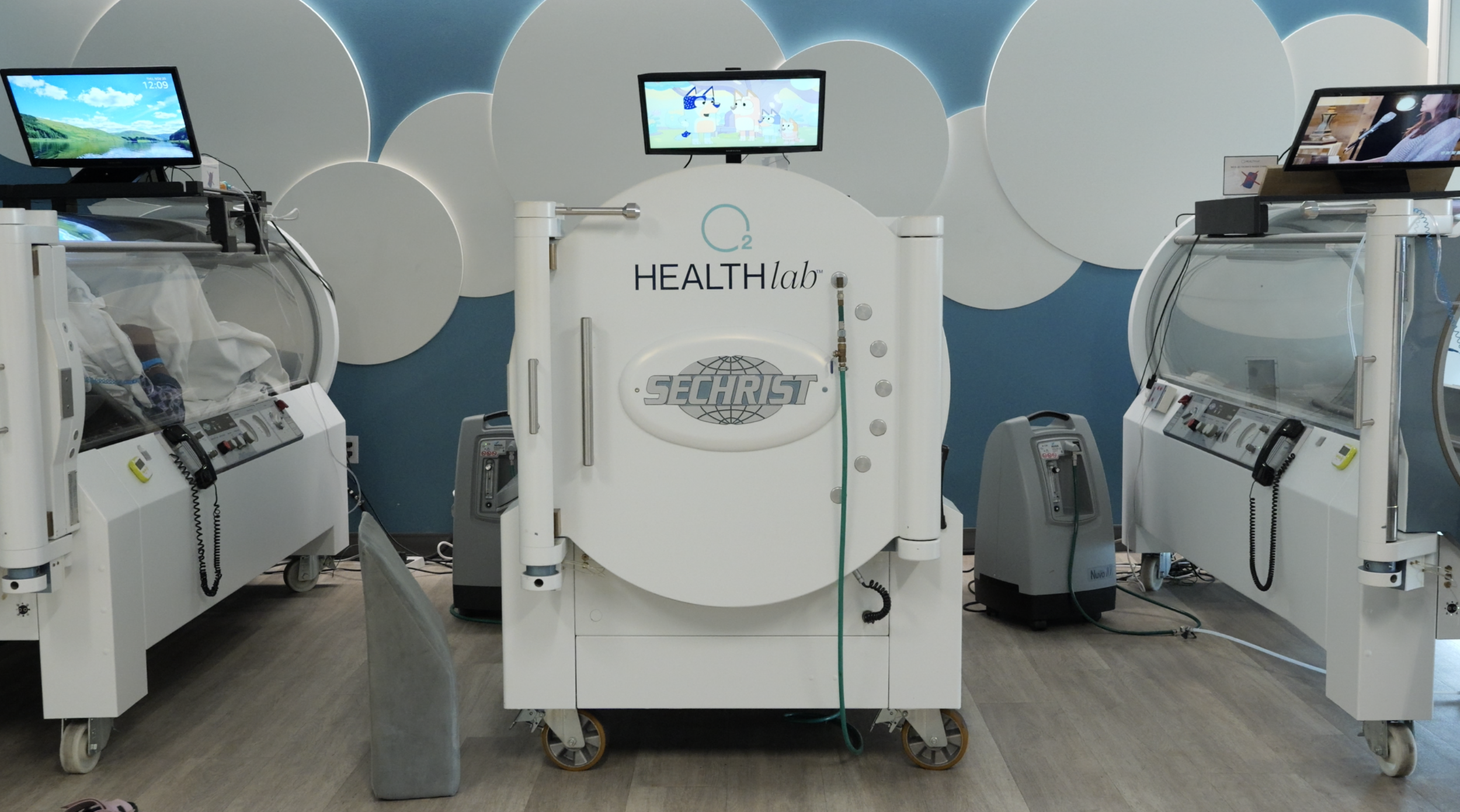
Some families explore HBOT to support neurological recovery. This treatment involves breathing oxygen in a pressurized environment, and experiences vary from child to child.
What our Parent Advisor Team can help with:
Understanding when HBOT is considered
Locating reputable HBOT providers
Hearing from families who have tried it
-
In addition to traditional rehabilitation, families may explore therapies that support sensory regulation, mobility, or comfort.
These may include:
Aquatic therapy
Craniosacral therapy
Neuromuscular therapy
Adaptive riding
Vision or vestibular therapy
Our Parent Advisor Team can help you understand what these therapies aim to address and how other families have incorporated them into their care plans.
-
Families sometimes explore equipment designed to support neurological recovery, sensory engagement, or improved mobility. These innovative tools vary widely, and each child responds differently.
Our Parent Advisor Team can help you understand what options families commonly consider and how these technologies may fit into your child’s overall care plan.
Foundational Reading
Many parents ask what to read—or where to start—once the initial crisis has passed. This section includes books and resources that families connected to Project One Cause have found helpful for understanding brain injury, recovery, and neuroplasticity over time.
These are offered as learning resources, not requirements. You may find it helpful to return to them gradually, depending on where you are in your own process.
-
Explores the science of neuroplasticity and how the brain can reorganize and heal following injury or neurological disruption.
-
Outlines a parent-driven approach to neurological recovery, emphasizing early intervention, stimulation, and home-based programs.
-
Presents a neurodevelopmental perspective on helping children overcome neurological challenges through movement, awareness, and learning-based methods.
Therapies
Recovery after a drowning-related brain injury may involve a range of therapies. This section includes therapy providers and approaches that Project One Cause is familiar with or has seen families engage with over time.
Inclusion here does not mean every therapy or provider is right for every child. Needs vary, and care evolves. This list is meant to offer visibility into what exists and provide starting points for discussion—not direction or endorsement.
-
Provides hyperbaric oxygen therapy that supports healing, reduces inflammation, and promotes neurological recovery after brain injury.
-
International neurodevelopmental programs helping children with brain injuries improve mobility, cognition, and development.
-
https://www.domaninternational.org/
A global rehabilitation organization offering personalized neurological and developmental programs for children with brain injuries.
-
https://braintreatmentcenter.com/locations
Provides MeRT neuromodulation therapy, which uses magnetic stimulation to improve brain function and neurological regulation.
-
A performance and rehabilitation center specializing in adaptive training and neurological recovery programs.
-
-
https://www.queenofheartsranch.org/
Provides equine-assisted therapy that supports physical strength, balance, emotional well-being, and neurological stimulation. -
https://www.abmfoundation.org/
Supports neurological recovery through movement-based learning and the Anat Baniel Method®, helping children improve brain function, mobility, and overall development after neurological injury. -
https://www.neurohorizons.world/
Offers integrative neurodevelopmental therapy focused on improving regulation, sensory integration, movement patterns, and brain-body coordination following neurological challenges.
-
The NAPA Center is an international pediatric therapy organization that provides intensive, multidisciplinary programs for children with neurological injuries and developmental needs.
-
https://www.wetherbeepediatrictherapy.com/
Offers outpatient pediatric therapy services focused on supporting children’s functional development and daily independence. Their services often include physical, occupational, and speech therapy in a clinic-based setting, with an emphasis on individualized care plans and family involvement.
-
Provide neuroplasticity and functional movement therapy services.
Equipment & Adaptive Technologies
Some children benefit from adaptive or supportive equipment at different stages of recovery. This may include tools that support mobility, communication, positioning, safety, or daily comfort.
This section outlines types of equipment families often encounter and includes examples and links for awareness. Equipment needs can change over time, and access may depend on individual circumstances.
-
-
-
-
-
-
https://powerplate.com/?_atid=9MtRW3HRPQRin9x5GcZLlwbW7TksvM
Uses controlled vibration to stimulate muscles, improve circulation, and support neuromuscular activation and strength. -
-
-
-
-
https://www.adaptivemall.com/seemorebrands/conprod.html
Offers a wide range of adaptive and therapeutic tools that support mobility, daily function, and continued rehabilitation.
You Are Not Alone in This
You don’t have to determine next steps on your own. Many families find it helpful to talk through information with someone who understands what this process can feel like.
Our Parent Mentor Team is here to support you with perspective, experience, and care.